
Regular skin checks are an essential part of preventative healthcare, particularly in sun exposed regions such as Point Cook. With Australia recording some of the highest rates of skin cancer globally, early detection remains one of the most effective ways to reduce serious health outcomes. Understanding the importance of routine assessments can help individuals take proactive steps towards protecting their long-term wellbeing.
Consulting a dermatologist Point Cook residents can access locally allows for professional evaluation of moles, freckles, and other skin changes that may otherwise go unnoticed. At Juniper Avenue Medical Centre, eligible patients can access free services in Australia under Medicare for medical skin checks, ensuring that preventative care remains accessible to the community. This article explains why routine skin checks matter, who should consider them, and how they contribute to better health outcomes.
Why Regular Skin Checks Matter in Australia
Australia has one of the highest rates of skin cancer due to strong UV exposure and an outdoor lifestyle. Even brief sun exposure without protection can lead to long term skin damage. Regular skin checks help detect abnormal changes early, improving treatment outcomes. A dermatologist Point Cook based professional can identify subtle changes that may not be visible during self-checks, adding an important layer of protection.
Understanding the Risks of Delayed Detection
Delaying a skin check can increase health risks, particularly in Australia’s high UV environment. Key risks include:
Skin cancer can develop without symptoms
One of the challenges with skin cancer is that it may not cause pain or discomfort in its early stages. A small mole that changes gradually may go unnoticed for months or years.
Changes can be subtle
The ABCDE rule is commonly used to identify warning signs:
- Asymmetry
- Border irregularity
- Colour variation
- Diameter larger than 6mm
- Evolving shape or appearance
Higher risk groups
Certain individuals may have a greater risk of skin cancer, including:
- People with fair skin
- Those with a history of sunburn
- Individuals with a family history of melanoma
- Outdoor workers
- People over 40
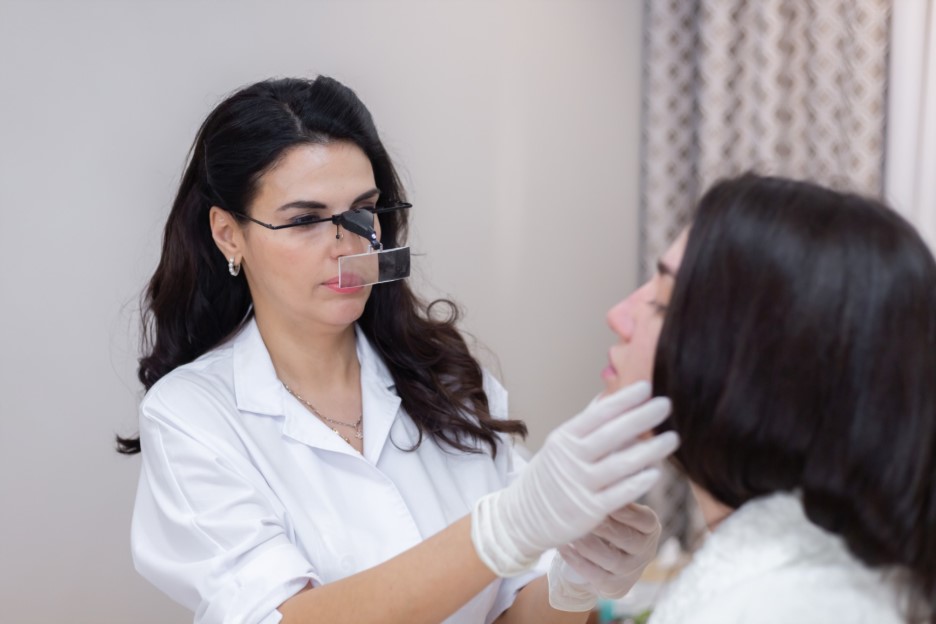
What Happens During a Skin Check
A skin check is a thorough examination of the skin from head to toe. It typically includes:
- Medical history review – Discuss personal and family skin history, sun exposure, and any changes noticed.
- Visual examination – Doctor inspects moles, freckles, and lesions using proper lighting and a dermatoscope.
- Monitoring – Suspicious spots may be photographed and tracked over time.
- Further action if needed – Biopsy or removal may be recommended for testing.
At Juniper Avenue Medical Centre, eligible patients can access these medical assessments as part of free services in Australia under Medicare, depending on individual circumstances.
How Often Should You Have a Skin Check
The frequency of skin checks depends on personal risk factors.
- Once a year for most adults.
- Every 6–12 months for high-risk individuals (fair skin, many moles, family history).
- Immediately if you notice new or changing spots.
- During routine health visits for children and teens, as advised by a doctor.
The Role of Preventative Skin Care
While professional checks are essential, prevention remains equally important.
Sun protection habits
Daily sun safety measures can reduce long term risk:
- Use broad spectrum sunscreen SPF 30 or higher
- Wear protective clothing and wide brim hats
- Seek shade during peak UV hours
- Avoid tanning beds
Regular self examination
Monthly self-checks can help you notice changes early. Use a mirror to inspect hard to see areas such as the back and scalp. Report any new or changing lesions to your GP or dermatologist at Point Cook promptly.
Education and awareness
Public awareness campaigns in Australia have significantly improved early detection rates. Community education reinforces the importance of routine skin monitoring.
Why Local Access Matters in Point Cook
Having access to a Skin Care Clinic Point Cook residents can visit locally makes preventive healthcare more convenient. Busy schedules often delay medical appointments. When services are accessible within the community, patients are more likely to attend routine checks. Local clinics also understand regional factors such as lifestyle patterns and sun exposure trends specific to Victoria. This local knowledge supports personalised advice tailored to the community.
Addressing Common Myths About Skin Checks
Even though skin cancer awareness is high in Australia, many people still delay booking a skin check because of common myths. Clearing up these misunderstandings can help more people take simple steps to protect their health.
I only need a check if I see something unusual
Many early skin cancers are subtle. Waiting for visible warning signs may delay diagnosis.
I am young so I am not at risk
Although risk increases with age, younger adults can also develop melanoma. Prevention and early detection apply to all age groups.
Skin checks are cosmetic
Medical skin checks focus on identifying disease, not cosmetic appearance. They are an important part of preventative healthcare.
Benefits of Early Detection
The advantages of identifying skin cancer early include:
- Less invasive treatment
- Reduced risk of spread
- Shorter recovery times
- Better overall prognosis
Supporting Long Term Skin Health
Skin checks are not only about cancer detection. They can also help manage other conditions such as:
- Chronic sun damage
- Precancerous lesions
- Pigmentation disorders
- Persistent rashes
When to Book an Appointment
Consider scheduling a skin check if you notice:
- A new mole after age 30
- A spot that changes in size or colour
- A lesion that bleeds or does not heal
- Persistent itching or tenderness in a mole
Conclusion
Regular skin checks are an important step in protecting your health in Australia’s high UV environment. Early detection significantly improves outcomes for skin cancer and other skin conditions. A dermatologist Point Cook based practitioner can provide a thorough assessment and tailored advice based on your individual risk factors. Juniper Avenue Medical Centre offers free services in Australia for eligible patients under Medicare. If you are due for a skin check or have noticed a changing spot, contact the clinic to arrange an appointment and discuss your skin health with a qualified medical professional.