
If you or someone in your family has been coughing, wheezing or getting short of breath more often lately, you are probably here to work out whether it is worth seeing a doctor about it — and the honest answer is yes. Asthma management in Point Cook is not a one-off appointment; it is an ongoing relationship between you and your GP that adjusts as symptoms, seasons and triggers change. Left unchecked, mild asthma symptoms can quietly worsen, affecting sleep, exercise and day-to-day energy without the person always realising a pattern has formed.
Key Takeaways
- Asthma is a chronic lung condition that needs regular review, not just treatment during a flare-up.
- A spirometry test measures how well your lungs are working and helps confirm or rule out asthma.
- Common triggers include pollen, dust, cold air, exercise and respiratory infections.
- A written asthma action plan helps you recognise and respond to worsening symptoms early.
- Juniper Avenue Medical Centre offers asthma management and spirometry testing for Point Cook patients.
What Asthma Management in Point Cook Actually Involves
Asthma management in Point Cook, when done properly, is less about reacting to bad days and more about building a plan that keeps symptoms under control before they interfere with daily life. At Juniper Avenue Medical Centre, this typically starts with a conversation about your symptoms — how often you notice wheezing, tightness in the chest, or breathlessness, and what seems to set it off. From there, your doctor can assess your lung function, discuss any medications you are using, and work through a management approach suited to your situation.
For many patients, this means an asthma action plan: a simple, written guide that sets out your usual medications, what to do if symptoms start creeping up, and when symptoms mean you need to be seen urgently. Having this written down — rather than relying on memory during a stressful moment — is one of the most practical things a GP can put in place for a patient with asthma. It also gives family members or carers a clear reference if they need to help.
Ongoing management also means periodic review. Asthma is not static; it can improve, worsen, or shift with age, pregnancy, weight changes, seasonal allergies or a new job that introduces different triggers. Regular check-ins with your GP allow medication and technique to be adjusted rather than left unchanged for years at a time. If you are also managing another ongoing health condition alongside asthma, our guide on dealing with a chronic disease covers the broader approach to staying on top of long-term conditions.
Good asthma management is not about avoiding every flare-up — it is about knowing what to do the moment one starts.
What Is Spirometry and Why Does It Matter?
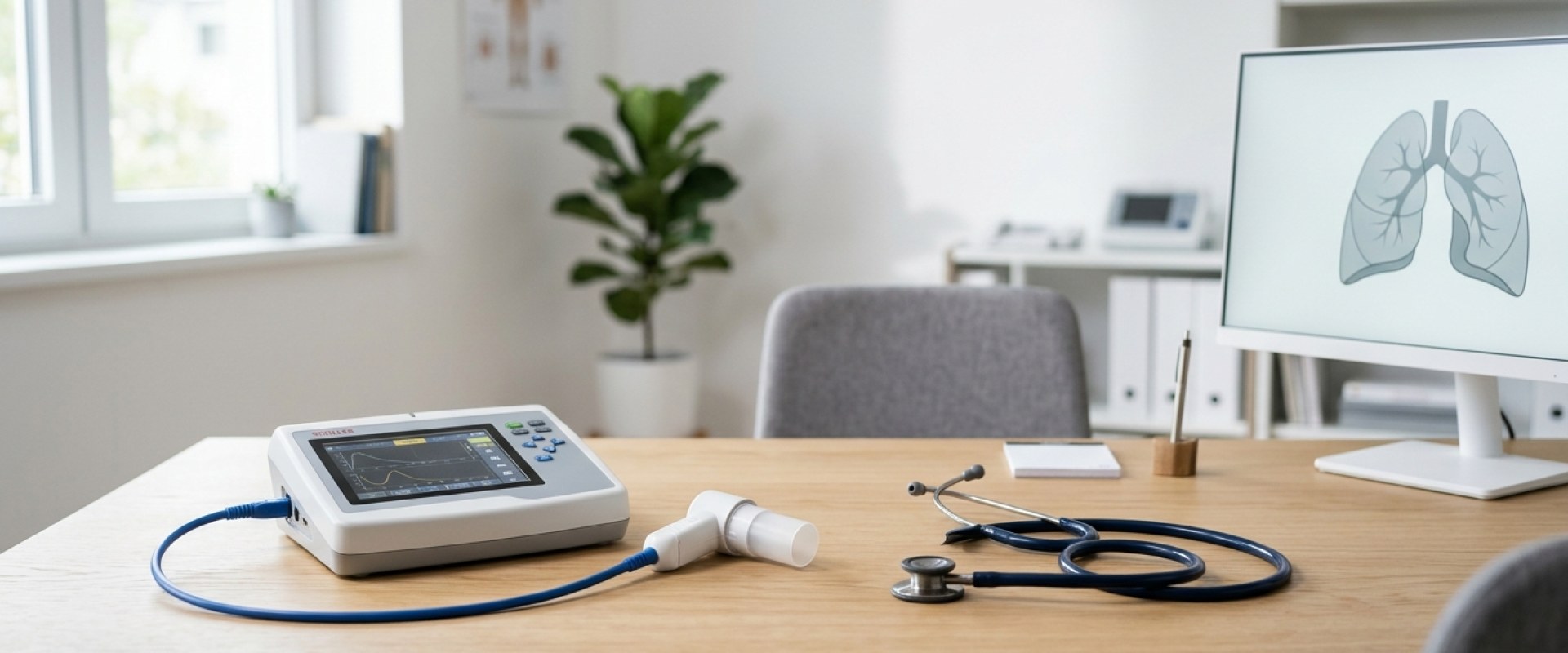
Spirometry is a simple breathing test used to measure how much air you can breathe out, and how quickly. You breathe forcefully into a small device called a spirometer, and it records the results, which your doctor then interprets. It is one of the more useful tools available in general practice for understanding what is actually happening in your lungs, rather than relying on symptoms alone.
For asthma specifically, spirometry can help confirm a diagnosis by showing a pattern of airway narrowing that improves after using a reliever medication (known as bronchodilator reversibility). It can also help distinguish asthma from other respiratory conditions that share similar symptoms, such as chronic obstructive pulmonary disease. This distinction matters, because the right diagnosis leads to the right treatment approach.
Spirometry is not only useful at the point of diagnosis. It can also be repeated over time to track how well a patient’s lungs are responding to treatment, which is a key part of asthma management in Point Cook for patients whose symptoms are not fully settling on their current plan. If your numbers are trending in the wrong direction, that is a signal worth acting on before symptoms escalate.
We are open Monday to Friday, 8am to 8pm, and Saturday and Sunday, 9am to 5pm.
What to Expect During a Spirometry Test at the Clinic
A spirometry test is straightforward and generally takes only a few minutes to complete, though your appointment may run longer to allow time for discussion beforehand and afterwards. You will typically be asked to sit upright, use a clip on your nose so all your breath goes through the mouthpiece, and then breathe in as deeply as you can before blowing out as hard and fast as possible into the device. This is usually repeated a few times to get a consistent, reliable reading.
In some cases, your doctor may ask you to use a reliever puffer partway through the test and then repeat the breathing manoeuvre, to see whether your airflow improves afterwards. This before-and-after comparison is often what helps confirm an asthma diagnosis rather than another cause of breathlessness.
You do not need any special preparation beyond what your doctor advises for your specific situation, and the test itself is non-invasive — there are no needles and no discomfort involved beyond the effort of breathing out forcefully. Once the results are in, your GP will talk you through what they mean and how they fit into your broader asthma management plan.
Recognising Triggers and Reducing Flare-Ups
Every person with asthma tends to have their own set of triggers, and identifying yours is a core part of long-term management. Common culprits include pollen and seasonal allergens, dust mites, pet dander, cold or dry air, cigarette smoke, strong odours, and viral respiratory infections such as colds and flu. Exercise can also bring on symptoms for some people, though this is manageable with the right approach rather than something to avoid altogether.
Keeping a simple diary of when symptoms flare — noting the weather, activity, or environment at the time — can help your doctor spot patterns you might not notice yourself. This information feeds directly into a more accurate action plan, rather than a generic one that does not reflect your actual triggers.
Vaccination against influenza is also worth discussing with your GP, since respiratory infections are one of the most common causes of asthma flare-ups, particularly through the cooler months. Staying on top of general preventative health, alongside asthma-specific care, is part of why regular health checks matter for adults in Point Cook — asthma rarely exists in isolation from the rest of your overall health picture.
When to See a Doctor About Your Breathing
Not every cough or occasional shortness of breath needs an urgent appointment, but there are signs worth taking seriously. If you are using a reliever puffer more than a couple of times a week, waking at night with breathlessness or coughing, finding everyday activities harder than usual, or noticing your symptoms are simply not responding the way they used to, it is time to book in for a review rather than wait it out.
If you have never been formally assessed for asthma but have had recurring symptoms — especially around exercise, cold weather, or allergy season — a GP visit with a spirometry test can bring clarity. Getting a proper diagnosis, rather than guessing based on over-the-counter remedies, means your treatment can actually target what is going on.
Living Well With Asthma Day to Day
Managing asthma well is not just about medical appointments — it is also about the habits that sit around them. Understanding correct inhaler technique, for instance, makes a real difference; even a well-prescribed medication does little good if it is not being used correctly. Your GP or clinic team can check your technique during a review and correct anything that has slipped, which is a common and easily fixed issue.
Staying active is generally encouraged for people with asthma, provided symptoms are well controlled, since fitness and lung capacity tend to reinforce each other over time. Warming up gradually, being mindful of cold air, and having a reliever on hand for exercise-induced symptoms can make physical activity far more comfortable.
Because we operate a mixed-billing model, costs can vary depending on the type of consultation and your individual circumstances — for specific costs relevant to your visit, our fees page is the best place to check, or you are welcome to ask our reception team directly.
Frequently Asked Questions
Do I need a referral to have a spirometry test?
No referral is needed — a spirometry test can be arranged as part of a standard consultation with your GP at Juniper Avenue Medical Centre.
Is spirometry only used to diagnose asthma?
No. While it is commonly used to help diagnose and monitor asthma, spirometry is also used to assess other respiratory conditions and to track lung function changes over time.
How often should my asthma be reviewed by a GP?
This depends on how well controlled your symptoms are and your individual history, so it is best discussed directly with your doctor, who can recommend a review schedule suited to your situation.
Can children have a spirometry test?
Spirometry generally requires the patient to follow specific breathing instructions, so suitability can depend on the child’s age and ability to cooperate with the test. Your GP can advise whether it is appropriate for your child.
What should I bring to an asthma review appointment?
It helps to bring any current puffers or medications you are using, along with notes on when symptoms tend to occur, so your doctor has a clear picture to work from.
Does having asthma mean I have to avoid exercise?
Not at all. With the right management plan, most people with asthma can exercise comfortably. Your GP can help tailor an approach that supports staying active safely.
Taking the Next Step With Your Breathing Health
Asthma does not need to be something you simply put up with or manage alone with guesswork. A proper review, a spirometry test where appropriate, and a written action plan give you and your family a clear way to respond when symptoms change, rather than reacting under pressure. Small, regular check-ins tend to matter far more than any single appointment.
Whether you are newly experiencing symptoms, returning after a break in care, or simply due for a review, asthma management in Point Cook is available locally without needing to travel further afield. Bringing your concerns to a GP who can test, monitor and adjust your plan over time is the most reliable path to steadier breathing.
If breathing symptoms have been affecting your daily life, we encourage you to reach out and arrange a consultation so they can be properly assessed rather than left unanswered.
We are open Monday to Friday 8am–8pm and Saturday–Sunday 9am–5pm.