
Cervical Screening At Point Cook
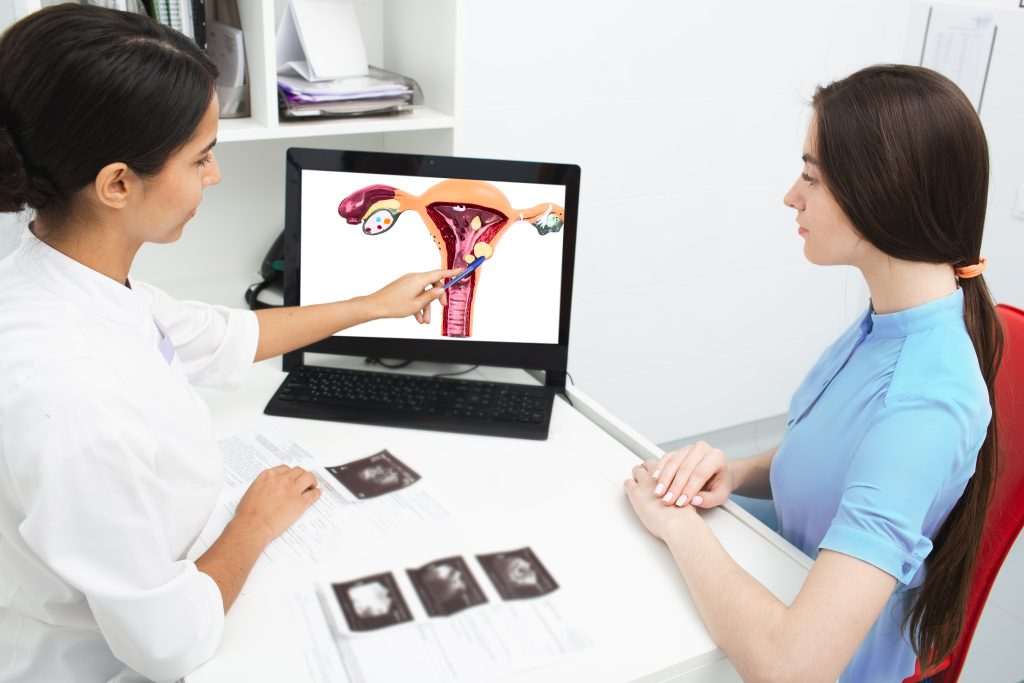
G’day Point Cook ladies! Let’s have a proper chinwag about cervical screening in Point Cook. It’s a quick and simple test, but it plays a bloody crucial role in keeping you healthy. We know it might seem a bit daunting, like heading to the dentist, but Juniper Avenue Medical Centre is here to make the whole shebang as comfortable and straightforward as a Sunday arvo barbie.
Why is Cervical Screening as Important as Slip, Slop, Slap?
Cervical cancer screening checks for the human papillomavirus (HPV), which, if left unchecked, can lead to cervical cancer. Catching it early, before it turns into a proper blue, means we can take action and keep you right as rain. It’s about being proactive, like checking your tyres before a road trip, and taking charge of your health.
Who Needs Cervical Screening?
If you’re a woman aged 25 to 74 and have ever been sexually active, you should have a cervical screening test every five years. It’s a routine part of looking after yourself, like getting your car serviced or your dog vaccinated. Don’t put it off, ladies. It sits alongside the rest of our women’s health care in Point Cook.
What Happens During a Cervical Screening Test?
It’s a quick and simple procedure, quicker than a Bunnings snag. A doctor will gently insert a speculum, which is a bit like a small plastic duckbill, into your vagina and take a small sample of cells from your cervix. It might feel a bit uncomfortable, like a pap smear you might have had before, but it’s usually over in a few minutes, quicker than a flash in a pan.
Why Choose Juniper Avenue Medical Centre for Your Cervical Screening?
We understand this can be a sensitive topic, as sensitive as a sunburn, and we’re committed to providing a safe and supportive environment. Our doctors and nurses are experienced, friendly, and they’ll answer any questions you might have, no matter how silly they seem. We’ll make sure you feel comfortable and informed, like you’re having a chat with a mate, every step of the way.
Take Control of Your Cervical Health: Don’t Be a Galah, Book Today!
Don’t put off your cervical screening, ladies. It’s a small step, like putting on sunscreen, that can make a big difference to your health. Book your appointment at Juniper Avenue Medical Centre today and keep yourself in top nick.
Take Action Now
Visit Us at: 2 Juniper Ave, Point Cook VIC 3030
Call Us: (03) 9395 5566
Book Online Now