
Skin Cancer Check in Point Cook
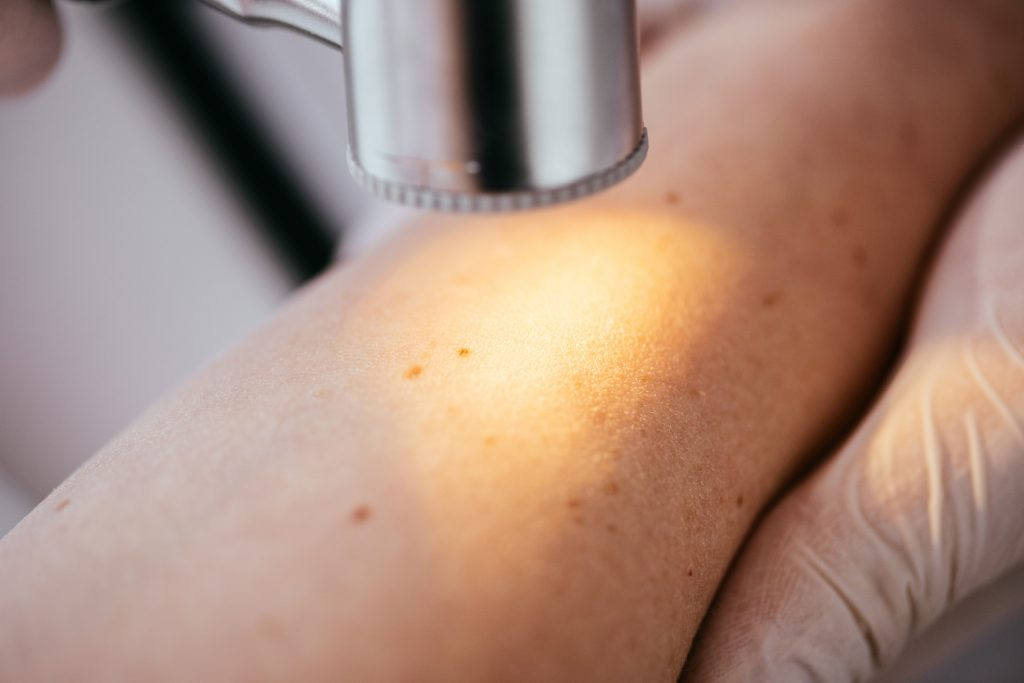
G’day Point Cook crew! Living under the glorious, yet unforgiving, Aussie sun means we’ve gotta be as smart as a whip about our skin. Regular skin checks aren’t just a good idea; they’re as essential as slapping on sunscreen and wearing a hat. And Juniper Avenue Medical Centre is here to make it as easy as pie. We provide thorough, professional skin cancer checks right here in Point Cook, giving you peace of mind and the tools to keep your skin in top nick.
Why Getting a Skin Check is as Important as a Coldie on a Hot Day
Our harsh sun, while beautiful, can be a real bugger when it comes to skin cancers. Early detection is absolutely crucial. A regular skin check helps us find any potential issues – those dodgy-looking moles, spots, or lesions – before they turn into something serious. It’s about being proactive, like checking your tyres before a long road trip, and taking charge of your health. After all, prevention is always better than a cure.
What Happens During a Skin Check at Juniper Avenue Medical Centre?
Our doctors will do a full body skin check, from the top of your head to the tips of your toes. We’ll be looking for any suspicious moles, spots, or lesions – anything that looks a bit out of the ordinary. If we find anything concerning, we’ll have a proper yarn with you about the next steps. This might include a biopsy, which is a small sample taken for testing, or a referral to a specialist dermatologist for further investigation. We’ll explain everything clearly and concisely, so you know exactly what’s going on.
Who Should Get a Regular Skin Cancer Check in Point Cook?
Basically, everyone! But there are certain folks who should be especially vigilant:
- Those with a history of sunburns: If you’ve spent a fair bit of time getting cooked by the sun, you’re at a higher risk.
- Those with a family history of skin cancer: If skin cancer runs in your family, you need to be extra careful.
- Those with a lot of moles: The more moles you have, the higher your risk, so a regular mole check helps.
- Those who spend a lot of time outdoors: If your job or hobbies involve being out in the sun, you need regular checks.
We understand that everyone’s skin is different, and we’ll tailor our approach to your individual needs and risk factors.
Why Choose Juniper Avenue Medical Centre for Your Skin Check?
We’re your local GP clinic for Point Cook and nearby Williams Landing. We offer thorough, professional skin checks in a comfortable and supportive environment, where you can feel at ease, and we’re committed to your health and wellbeing.
We understand that getting a skin check can be a bit nerve-wracking, but we’ll do everything we can to make you feel comfortable and relaxed. Our doctors and nurses are friendly and approachable, and they’ll take the time to answer all your questions. For what a skin check costs, see our fees.
Taking Control of Your Skin Health: Don’t Be a Galah, Book Today!
Don’t wait until it’s too late, mate. Skin cancer is a serious issue, but early detection can make all the difference. Book your skin check at Juniper Avenue Medical Centre today and take control of your skin health. We’re here to support you every step of the way, with clear advice and follow-up if anything needs a closer look.
We understand that your health is your top priority, and we’re committed to helping you achieve your health goals. With our comprehensive skin check services, you can have peace of mind knowing you’re taking proactive steps to protect yourself from the harsh Aussie sun.
Related: Cryotherapy Treatment · Keloid Treatment · Skin Tag Excision · Acne Care · All Skincare and Treatments
Take Action Now
Visit Us at: 2 Juniper Ave, Point Cook VIC 3030
Call Us: (03) 9395 5566
Book Online Now